Charting Cultural Nuances in Localized Game Design for Cross-Continental Digital Wagering Audiences
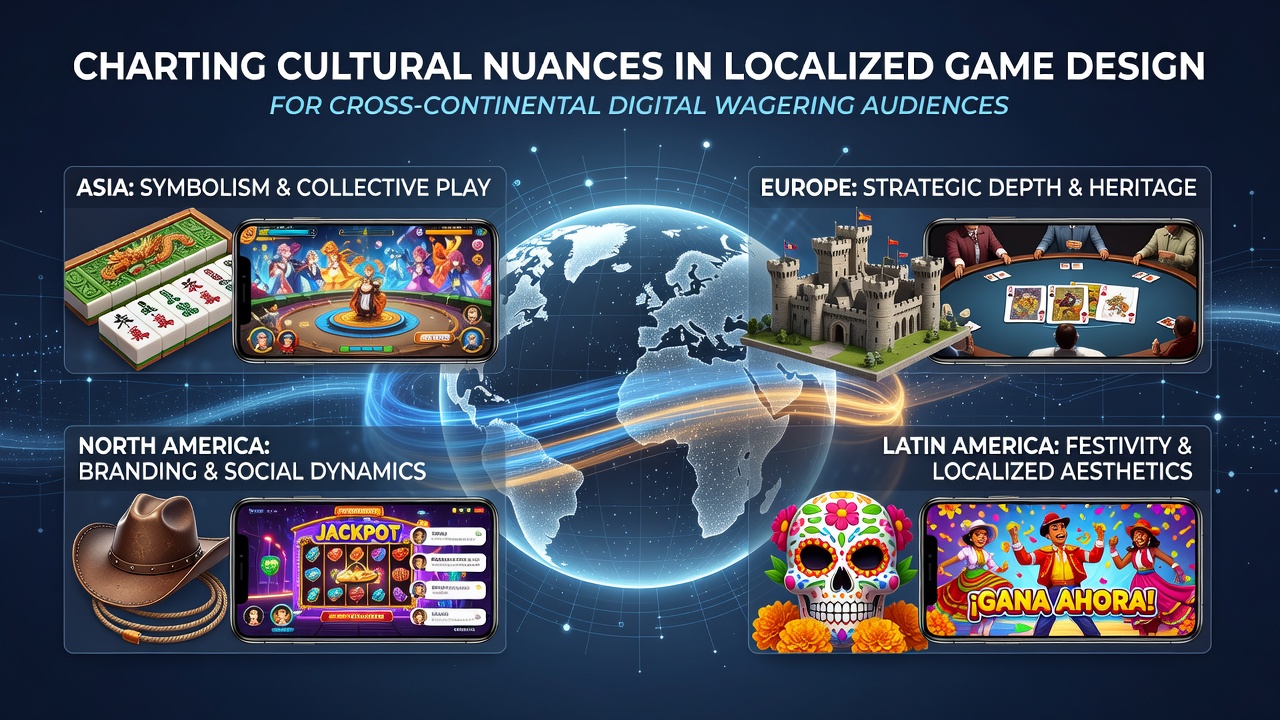
Digital wagering platforms continue to expand across multiple continents, and developers now focus on embedding cultural nuances directly into game mechanics, visuals, and user flows rather than applying simple translations after launch. Research from multiple regions shows that players in East Asia respond differently to color palettes, sound cues, and reward pacing compared with audiences in North America or Europe, while those in Latin America often favor community-oriented features that integrate social sharing options into core gameplay loops.
Mapping Player Expectations Across Markets
Studies compiled by industry analysts reveal that Japanese and South Korean users engage more readily with games featuring subtle references to local folklore and seasonal festivals, whereas Australian players demonstrate stronger retention when interfaces highlight straightforward risk-reward ratios without heavy thematic overlays. Data released in early 2026 by several cross-border operators indicates that localized reel symbols and bonus rounds adapted for Middle Eastern markets, where certain iconography remains restricted, produced measurable increases in session duration during the first quarter of the year.
Design teams working on multi-continent releases therefore begin projects by conducting detailed ethnographic reviews of target jurisdictions, examining everything from preferred payment timing to acceptable levels of chance versus skill presentation. Those reviews frequently incorporate feedback loops with local compliance specialists who flag elements that could conflict with prevailing social norms even when they satisfy formal regulatory checklists.
Mechanics, Themes, and Interface Adjustments
Gameplay pacing offers one of the clearest areas where cultural calibration matters. Observers note that many European markets favor rapid spin cycles paired with frequent small outcomes, while data from Southeast Asian operators shows sustained interest in longer build-up sequences that culminate in rarer, higher-value events. Visual density follows similar patterns, with some North American segments preferring minimalist layouts that emphasize quick information access, and other groups responding positively to richer, layered animations drawn from traditional art styles.
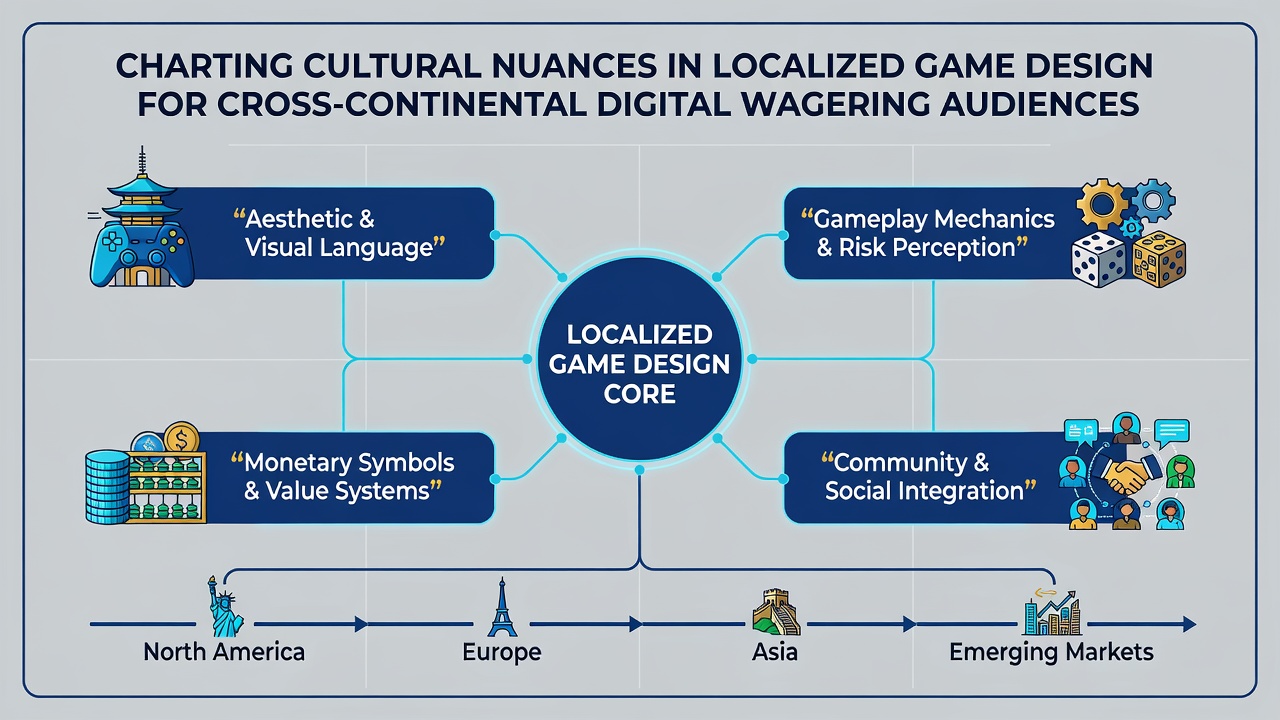
Sound design receives parallel attention. Teams adjust background tracks and win chimes to align with regional musical traditions, avoiding tempos or instrumentation that register as dissonant in specific cultural contexts. Language localization extends beyond text strings to include idiomatic phrasing in paytable descriptions and tutorial prompts, ensuring that probability explanations resonate accurately with local numeracy conventions.
Regulatory and Technical Integration Points
Cross-continental projects must also satisfy overlapping legal frameworks that affect design choices. Reports issued by the Gambling Regulatory Authority of Singapore and the Australian Communications and Media Authority document how display requirements for return-to-player percentages vary, forcing developers to embed flexible information panels that reconfigure automatically based on detected user location. Payment method prominence likewise shifts, since certain markets prioritize e-wallet integrations while others maintain stronger attachment to bank-transfer or card-based options.
Technical infrastructure supporting these adaptations now includes modular asset libraries and dynamic theming engines that allow operators to swap visual and audio components without rebuilding entire game engines. Partnerships between studios and regional testing laboratories help validate that these modular elements meet both cultural expectations and technical certification standards before wider deployment.
June 2026 Data Releases and Emerging Patterns
Figures released in June 2026 by multiple platform operators highlighted continued growth in cross-border traffic, with notable spikes in engagement following the rollout of region-specific seasonal events. One documented case involved a developer that introduced lunar-calendar themed bonus rounds timed for East Asian markets, resulting in concurrent play increases across connected platforms without requiring separate code branches. Similar calendar-driven updates tailored for Latin American audiences aligned with local festival periods and produced comparable retention lifts.
These outcomes underscore how granular cultural mapping now forms a standard phase in pre-launch pipelines rather than an afterthought. Developers track performance differentials through anonymized behavioral datasets that compare session length, feature interaction rates, and churn patterns across segmented user cohorts.
Conclusion
Localized game design for digital wagering audiences requires ongoing coordination between cultural researchers, compliance officers, and engineering teams to maintain relevance across diverse markets. The patterns observed through mid-2026 demonstrate that successful implementations treat cultural adaptation as an integral component of initial architecture rather than a post-production adjustment. As regulatory environments and player demographics continue to evolve, platforms that maintain flexible design systems remain positioned to address new regional requirements efficiently.