How Data Analytics Shape Customized Bonus Structures for Affiliates in Regulated Mobile Gaming Networks
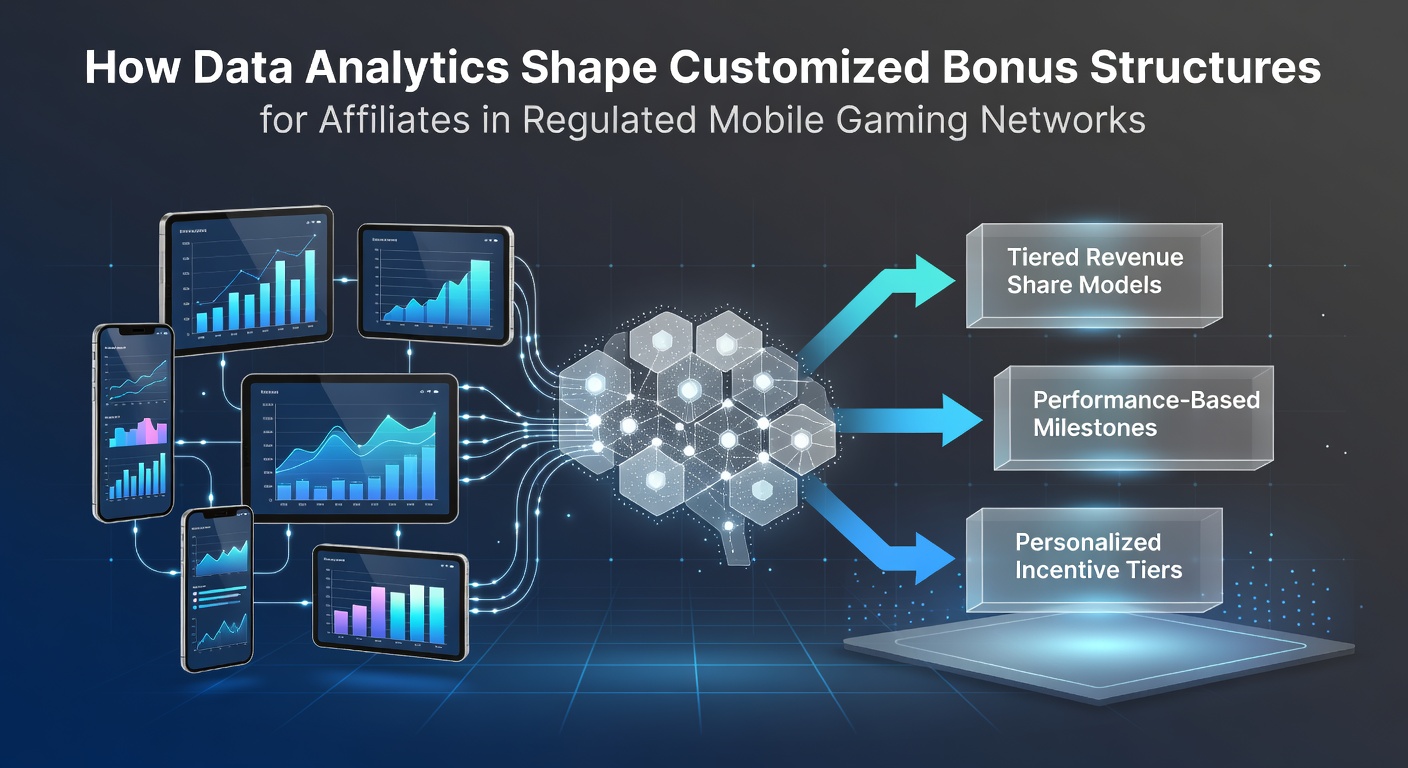
Regulated mobile gaming networks rely on data analytics to refine bonus structures for affiliates and operators track player acquisition costs alongside retention patterns through integrated platforms that collect real-time information from app downloads and in-game sessions. These systems process metrics such as click-through rates from affiliate links, deposit frequencies, and session durations to adjust commission tiers dynamically rather than applying uniform payouts across all partners.
Analysts segment affiliate traffic into categories based on geographic origin, device type, and user behavior clusters which allows networks to allocate bonuses that match specific performance profiles while staying within compliance frameworks set by authorities in multiple jurisdictions. For instance networks operating under licenses from the Malta Gaming Authority integrate predictive models that forecast lifetime value for referred players and then scale bonus rewards accordingly to encourage sustained promotional efforts.
Core Mechanisms Behind Data-Driven Customization
Algorithms examine historical datasets from thousands of affiliate campaigns and identify correlations between marketing channels and player conversion success rates so that bonus formulas reward high-quality referrals over sheer volume. This approach uses machine learning techniques to refine offers in response to shifting trends such as increased mobile engagement during peak evening hours in certain regions or variations in game preferences across age demographics.
Networks apply clustering methods to group affiliates by their traffic sources and then tailor incentives like revenue share uplifts or fixed bonuses for milestones reached in player activity levels. Observers note that these custom structures often incorporate thresholds for responsible gaming compliance which means affiliates receive enhanced rewards only when referred users demonstrate balanced play patterns tracked through anonymized behavioral indicators.
Regulatory Compliance and Analytics Integration
Operators must align data practices with rules from bodies like the New Jersey Division of Gaming Enforcement and similar entities in Canada where privacy protections limit the depth of player profiling yet still permit aggregate analysis for bonus optimization. As of May 2026 several networks have updated their systems to incorporate new cross-border data sharing protocols that emerged from international gaming summits which helps affiliates operating in multiple markets receive consistent yet localized bonus adjustments.
Analytics platforms flag potential issues such as unusual traffic spikes that might indicate non-compliant promotion methods and automatically adjust bonus eligibility to maintain network integrity. This real-time monitoring draws from sources including transaction logs and engagement heatmaps while ensuring all calculations adhere to audit trails required by regulatory overseers.

Examples from Industry Practice
Take one network that partnered with a European research institution to analyze affiliate-driven signups over a twelve-month period and discovered that personalized bonus multipliers based on player retention curves led to higher long-term engagement without increasing overall payout ratios. Those findings prompted adjustments where top-performing affiliates in high-value segments received tiered bonuses tied to specific game categories rather than blanket rewards.
Another case involved platforms in the Asia-Pacific region where data from the Australian Communications and Media Authority influenced bonus designs that prioritize affiliates promoting games with built-in session limits. Here analytics revealed that customized incentives linked to compliant user acquisition reduced regulatory scrutiny while boosting referral quality across regulated apps.
Future Trends in Analytics Application
Emerging tools incorporate artificial intelligence for scenario modeling which lets networks simulate how different bonus configurations might affect affiliate behavior under varying regulatory conditions. These simulations draw on datasets from global operations and help refine structures that balance profitability with adherence to evolving standards in places like the United States and the European Union.
But here's the thing, integration with blockchain for transparent tracking of bonus distributions has gained traction in some networks because it provides verifiable records that satisfy both affiliates and regulators without relying solely on centralized databases. This development pairs well with existing analytics suites that already process vast volumes of interaction data to predict optimal reward timings.
Conclusion
Data analytics continue to transform how regulated mobile gaming networks construct affiliate bonus systems by emphasizing precision over generalization and this evolution supports sustainable growth across diverse markets. Networks that leverage these tools effectively maintain compliance while fostering partnerships that drive quality player engagement through targeted incentives. As regulatory landscapes shift further observers expect even tighter integration between analytics capabilities and bonus frameworks to address new challenges in mobile environments.